Kanchenjunga Base Camp Trek – An Unforgettable Himalayan Journey to the World’s Third-Highest Summit
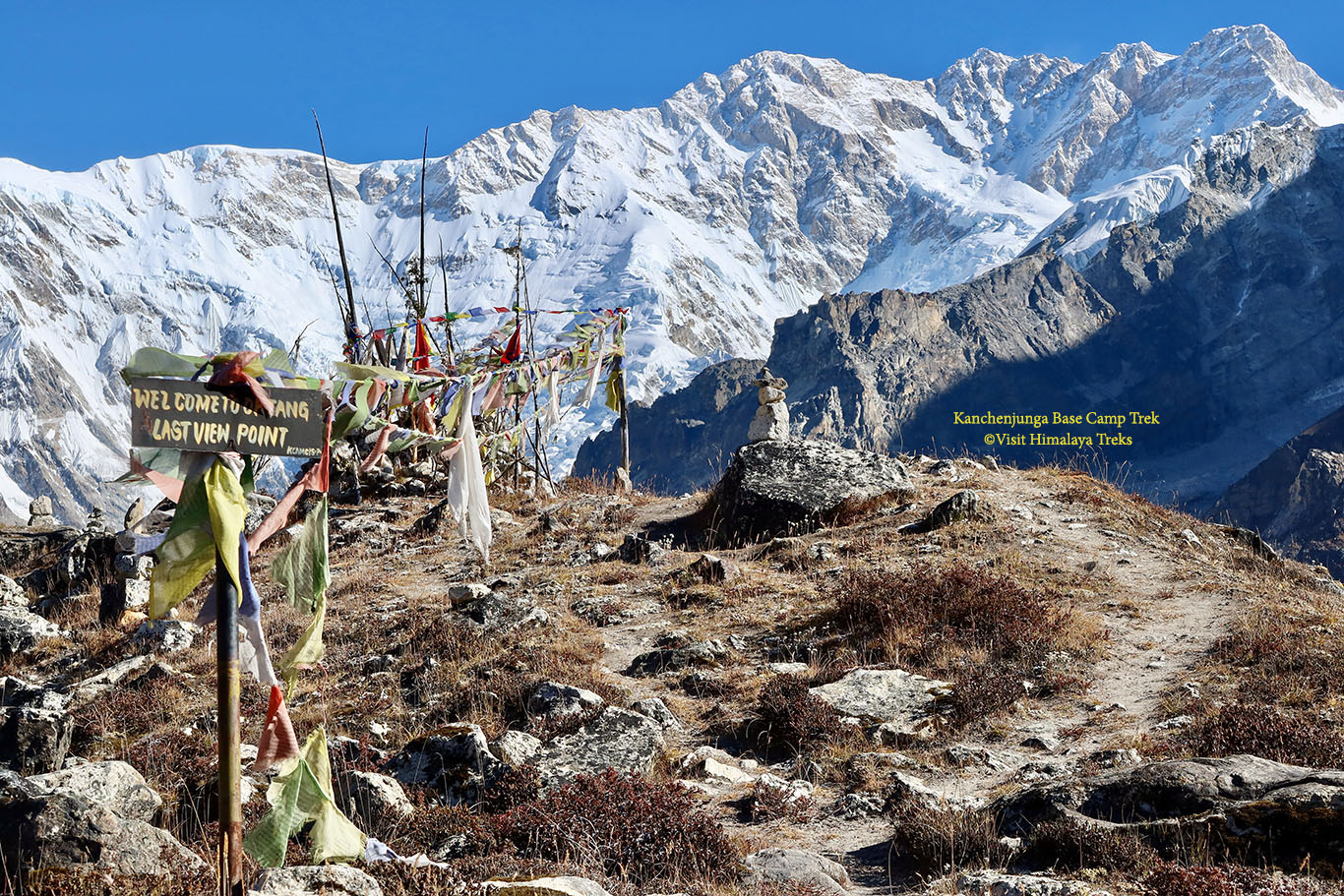
The Kanchenjunga Base Camp Trek offers an exceptional trekking experience for explorers who desire pristine scenery, cultural depth, and challenging elevations. Nestled in the eastern Himalayas, this trek offers a rare opportunity to explore remote landscapes while witnessing the grandeur of the third-highest mountain in the world. In contrast to popular routes, the Kanchenjunga Trek Nepal stays serene, unspoiled, and profoundly engaging. From lush forests and alpine meadows to towering snow-covered peaks, every step of this journey presents a new layer of natural wonder and cultural discovery.
Why Choose the Kanchenjunga Base Camp Trek
The Kanchenjunga Base Camp Trek Package is ideal for trekkers who want a combination of adventure, solitude, and authenticity. It distinguishes itself through remote pathways, varied ecosystems, and limited commercial influence. It offers a chance to immerse in untouched nature while experiencing authentic Himalayan culture.
A major highlight of trekking to Kanchenjunga base camp Nepal is the opportunity to explore both northern and southern base camps. The kanchenjunga north and south base camp trek delivers stunning panoramas of peaks, glaciers, and valleys that remain largely unspoiled.
Overview of Kanchenjunga Base Camp Trek Itinerary
A structured Kanchenjunga Base Camp Trek Itinerary generally lasts three to four weeks, depending on pace and weather. The trek starts in lower areas featuring picturesque villages, terraced farms, and thick forests. As trekkers ascend, the landscape gradually transitions into alpine terrain with dramatic mountain views.
Key stops include Ghunsa, Khambachen, Lhonak, and Pangpema, known as the northern base camp. On the southern side, Ramche and Oktang offer spectacular viewpoints of Kanchenjunga’s southern face. The Kanchenjunga Circuit Trek In Nepal links these key points into a comprehensive and fulfilling journey.
Nature and Culture Along the Trek
The Kanchenjunga Trek Nepal is renowned for its rich biodiversity and cultural variety. The region belongs to a protected area inhabited by rare wildlife including snow leopards, Himalayan black bears, and musk deer. Trekkers will also encounter vibrant flora, including rhododendrons, magnolias, and alpine vegetation.
The cultural aspect is just as enriching. The trail passes through villages inhabited by Rai, Limbu, and Sherpa communities. These local groups maintain their traditional lifestyles, offering insight into ancient customs, rituals, and daily practices. This cultural exposure enhances the overall journey.
Best Time to Trek to Kanchenjunga Base Camp Nepal
Selecting the best time to trek to Kanchenjunga base camp Nepal is crucial for safety and enjoyment. Spring and autumn are widely considered the most suitable trekking periods. During these months, the weather remains stable, skies are clear, and the mountain views are at their best.
Spring features blooming rhododendrons and colourful scenery, while autumn provides clear air and sharp visibility. Monsoon and winter are less favourable because of rainfall, landslides, snow, and harsh cold conditions.
Kanchenjunga Base Camp Trek Cost and Planning
The Kanchenjunga Base Camp Trek Cost depends on duration, service quality, guide support, permits, and accommodation. Since it is a restricted area, special permits and authorised guides are mandatory.
Opting for a Reliable Trekking Operator In Nepal ensures safe, organised, and efficient trekking. A professional operator helps manage permits, accommodation, transportation, and experienced guides who are familiar with the terrain and local conditions.
Trek Difficulty and Key Challenges
The Kanchenjunga Base Camp Trek is a demanding trek requiring strong fitness and mental resilience. Trekkers face steep climbs, rough trails, and high-altitude environments. Daily trekking hours can range from six to eight hours, often across remote and isolated trails.
Altitude sickness remains a Kanchenjunga Trek Nepal major concern due to elevations exceeding 5,000 metres. Adequate acclimatisation, hydration, and gradual climbing help reduce risks. While the journey can be demanding, the rewards in terms of scenery and accomplishment are unmatched.
Accommodation and Food on the Trail
Stay during the Kanchenjunga Base Camp Trek Package is mostly in local teahouses and basic lodges. These offer basic yet comfortable amenities and a glimpse of traditional mountain life.
Meals typically include traditional Nepalese dishes such as dal bhat, along with options like noodles, soups, and tea. In remote areas, choices are limited but sufficient for trekking demands. The hospitality of local hosts adds warmth to the overall experience.
Key Highlights of Kanchenjunga Circuit Trek
The Kanchenjunga Circuit Trek In Nepal provides remarkable experiences that set it apart. Trekkers can witness dramatic glaciers, turquoise lakes, and sweeping mountain panoramas. Important spots such as Pangpema and Oktang present stunning views of the peak.
Crossing passes such as Sele La and Mirgin La adds excitement to the trek. Additionally, the peaceful campsites, star-filled skies, and untouched trails create a sense of isolation and tranquillity that is rare in modern trekking routes.
Gear and Preparation for the Trek
Thorough preparation is crucial for a safe trekking to Kanchenjunga base camp Nepal. Trekkers need proper equipment including durable boots, insulated clothing, waterproof gear, and accessories.
Pre-trek fitness training is equally essential. Building stamina, endurance, and strength helps in managing the demanding terrain and long trekking days. Carrying basic medical supplies and understanding altitude-related precautions further enhances safety.
Conclusion
The Kanchenjunga Base Camp Trek stands as a remarkable adventure combining nature and culture. From quiet settlements to towering mountains, the trek offers lasting memories. Whether opting for the full circuit or selected routes, the trek offers exceptional accomplishment. For travellers wanting a less crowded adventure with deep rewards, this trek ranks among the best Himalayan journeys.